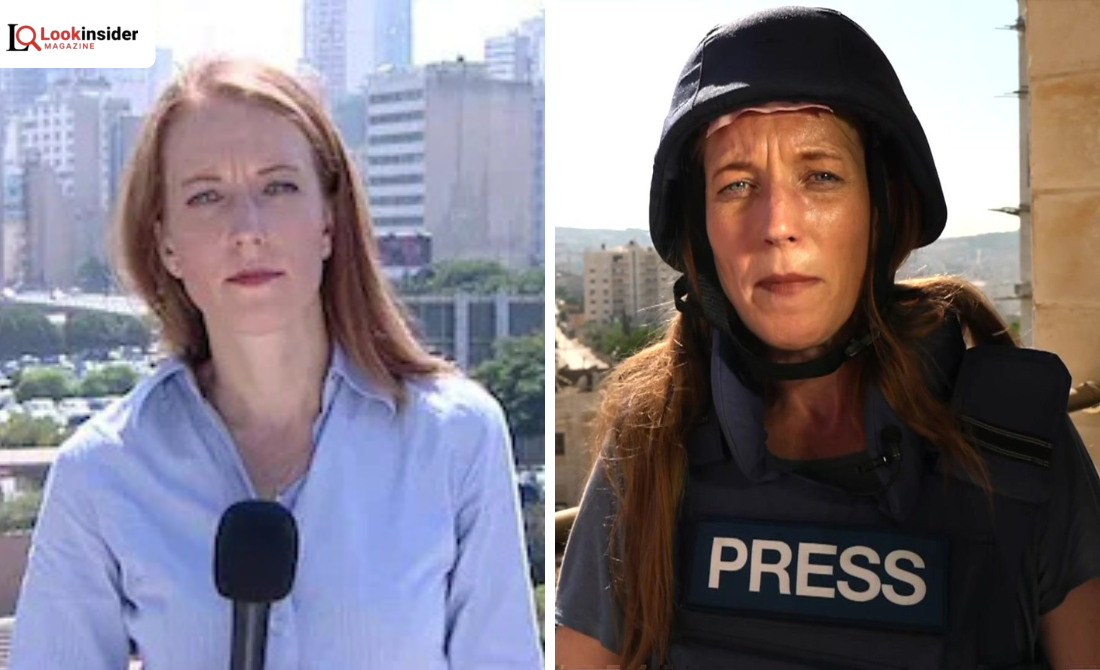
In the complex landscape of Middle Eastern affairs, Yolande Knell stands out as a journalist whose reporting brings clarity, balance, and human depth to global audiences. Known for her insightful coverage as a BBC correspondent, Knell has spent years reporting from conflict zones, political hotspots, and communities affected by turmoil and transformation. Her work, always written in English language, has reached millions, shaping the international understanding of some of the world’s most volatile regions.
This article explores the career, reporting style, and notable contributions of Yolande Knell, showcasing why she has become a trusted voice in journalism. We’ll also examine what makes her reporting stand out in an era of fast news cycles and misinformation. Whether you’re new to her work or a longtime follower, expect a deep dive into her role in international media and what we can all learn from her dedication to truth and storytelling.
Who Is Yolande Knell? A Snapshot of Her Journalism Journey
Yolande Knell is a British journalist best known for her role as a BBC Middle East correspondent. Based in Jerusalem, her reporting spans Israel, the Palestinian territories, and broader regional issues. She has covered landmark events including military conflicts, peace negotiations, and humanitarian crises.
Her background includes a strong academic foundation in languages and international relations, enabling her to report with both cultural sensitivity and political insight. Fluent in Arabic, Knell often conducts interviews in the native language of the region she’s covering, enhancing the authenticity of her journalism.
Career Highlights: Reporting From the Frontlines
Over the years, Yolande Knell has reported on major developments such as:
- The 2014 Gaza War, offering on-the-ground perspectives from both Israeli and Palestinian civilians.
- The Arab Spring uprisings, especially her reporting from Egypt and Syria during the pivotal years of 2011–2012.
- Coverage of peace process negotiations, from both political and grassroots angles.
- Documenting the lives of displaced Syrians and refugees, often in underreported areas.
Her ability to navigate sensitive topics with fairness has earned her respect across political divides.
A Reporting Style Rooted in Humanity and Balance
One of the hallmarks of Knell’s journalism is her empathetic tone. Rather than resorting to sensationalism, she focuses on:
- Personal stories that humanize political conflict.
- Interviews with ordinary citizens, not just officials.
- Explaining context and nuance in a region often misunderstood.
Knell’s video reports and written pieces alike are composed with clarity and care, often beginning with a compelling human angle before expanding to the broader geopolitical situation.
The Impact of Yolande Knell’s Work on Global Audiences
Her journalism has helped international viewers better understand:
- The day-to-day realities of life under occupation or siege.
- The diverse perspectives within Israeli and Palestinian societies.
- The tensions and complexities often omitted in shorter news formats.
Knell’s stories are frequently shared by educators, humanitarian organizations, and policymakers who rely on accurate, compassionate reporting.
Recognition and Influence
While not one to seek the spotlight, Yolande Knell’s contributions haven’t gone unnoticed. She has been:
- Featured in BBC World News, Newsnight, and Radio 4.
- Referenced in academic journals, political commentary, and educational curricula.
- Cited by humanitarian NGOs for her coverage of crisis zones.
Her understated yet authoritative presence has made her a key source for those seeking nuanced insight into the Middle East.
Examples of Her Work: Stories That Stood Out
Some of her most widely viewed and discussed reports include:
- “Living Under Siege”: A harrowing portrait of life in Gaza during airstrikes.
- “East Jerusalem Evictions”: Interviews with families facing displacement.
- “Women on the Frontlines”: Spotlighting female activists and medics during protests.
Each of these reports balances investigative depth with powerful visuals and clear writing essential qualities for modern journalism.
What Makes Yolande Knell Different From Other Correspondents

While many journalists cover similar topics, Knell distinguishes herself by:
- Staying long-term in the region, building local trust.
- Regularly visiting remote or high-risk locations.
- Prioritizing accuracy over speed, often explaining why certain details matter.
- Writing in a reader-friendly, English language style that appeals globally.
This has helped her cultivate credibility and a loyal audience that values quality over quantity.
Challenges in Her Reporting Career
Working in the Middle East involves significant challenges:
- Navigating press restrictions and military censorship.
- Facing security risks in conflict zones.
- Managing emotional tolls from covering trauma and loss.
Despite these, Knell has maintained her journalistic integrity, often emphasizing the voices of the voiceless.
Expert Quotes and Industry Perspective
Fellow journalists and media scholars often commend Knell’s approach. Media analyst James Hooper once noted:
“Knell brings a level of emotional intelligence and cultural awareness that’s rare in foreign correspondence.”
Her work is frequently cited in journalism courses as a model for conflict reporting with integrity.
Conclusion
In a world flooded with misinformation and shallow analysis, Yolande Knell journalism serves as a vital counterbalance. Her dedication to truth, context, and compassion makes her not just a reporter but a storyteller who helps bridge cultural and political divides. If you haven’t explored her work, now is the time to do so.