
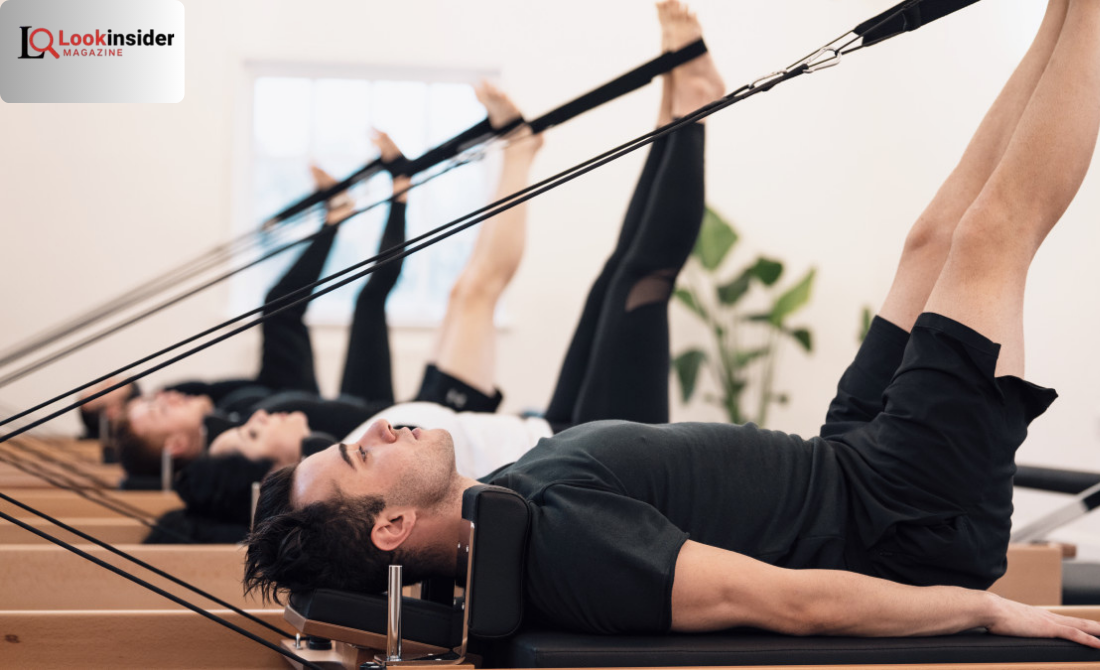
Zero Gravity Pilates is redefining the way people experience fitness, rehabilitation, and mind–body connection. By blending the core principles of traditional Pilates with suspension-based, low-impact movement, Zero Gravity Pilates creates a feeling of weightlessness that enhances strength, flexibility, balance, and overall well-being. This innovative approach is quickly becoming one of the most sought-after fitness methods for people of all ages and abilities.
In this comprehensive guide, you’ll discover what Zero Gravity Pilates is, how it works, its benefits, who it’s for, and why it stands out as one of the most effective and enjoyable ways to move your body.
What Is Zero Gravity Pilates?
Zero Gravity Pilates is a modern evolution of classical Pilates that uses suspension systems, slings, hammocks, or specially designed equipment to partially support the body against gravity. Unlike traditional mat or reformer Pilates, Zero Gravity Pilates reduces the load on joints and the spine, allowing the body to move more freely and safely.
The sensation of being “weightless” enables deeper muscle activation, improved alignment, and smoother transitions between movements. Instead of fighting gravity, practitioners work with it—creating a fluid, controlled, and deeply engaging workout.
How Zero Gravity Pilates Works
At the core of Zero Gravity Pilates is suspension. The body is supported at strategic points, such as the hips, legs, arms, or torso, allowing muscles to activate without unnecessary strain. This setup makes it easier to:
- Maintain proper spinal alignment
- Engage deep core muscles
- Perform a wider range of motion
- Reduce pressure on joints and connective tissues
Movements are slow, intentional, and guided by breath, just like traditional Pilates. However, the suspended environment introduces new challenges and benefits, including instability that activates stabilizing muscles and improves balance.
Key Principles of Zero Gravity Pilates
Zero Gravity Pilates stays true to the foundational Pilates principles while enhancing them through suspension:
Core Engagement
Every movement originates from the core. Suspension helps isolate and activate deep abdominal and back muscles more effectively.
Controlled Movement
The weightless feeling encourages precision and control, minimizing momentum and maximizing muscle engagement.
Breath Awareness
Breath supports movement, improves oxygen flow, and helps release tension throughout the body.
Alignment and Balance
Suspension naturally guides the body into optimal alignment, improving posture and body awareness.
Mind–Body Connection
The calm, flowing nature of Zero Gravity Pilates promotes focus, mental clarity, and stress reduction.
Benefits of Zero Gravity Pilates
1. Low-Impact and Joint-Friendly
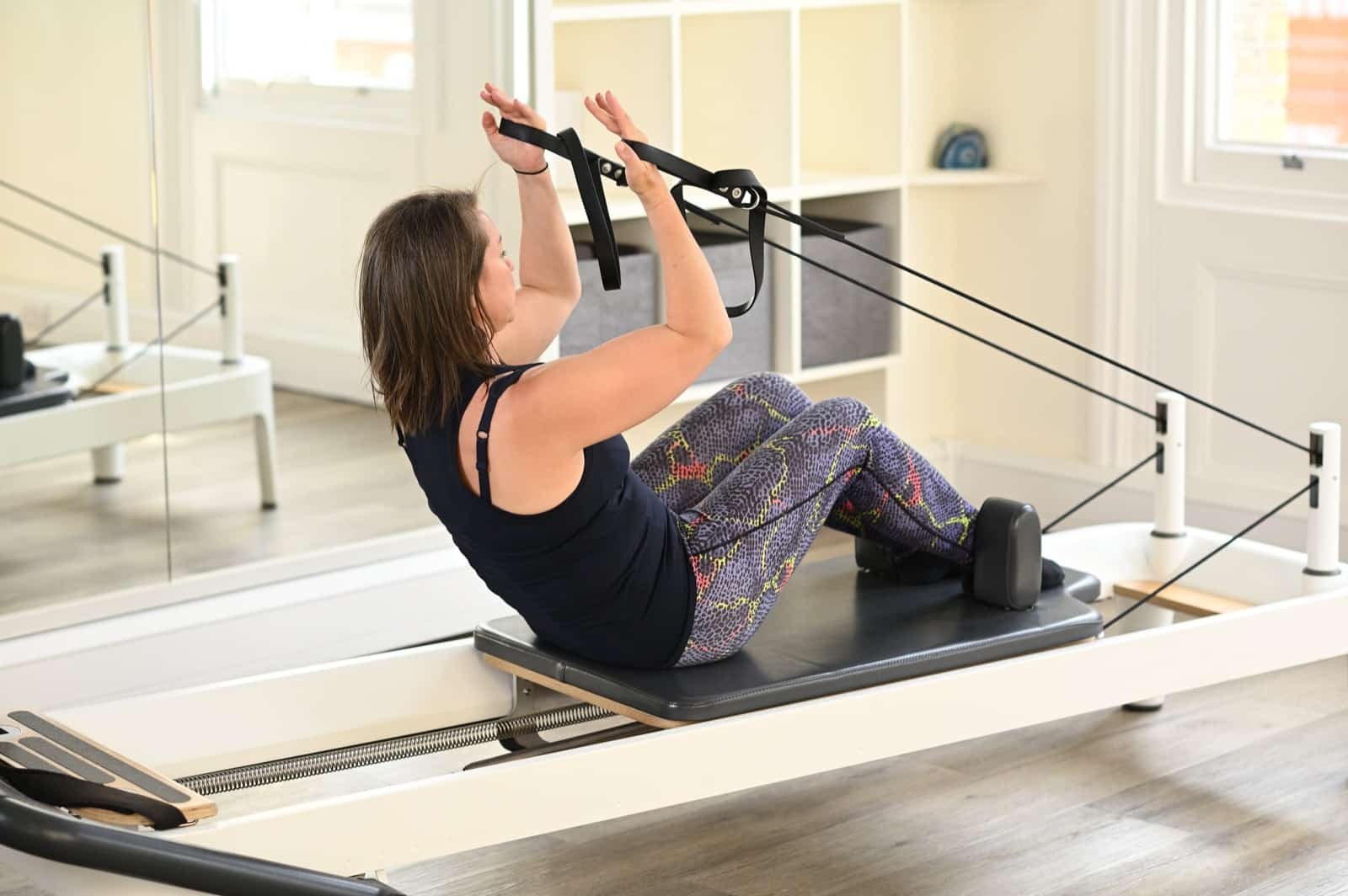
One of the biggest advantages of Zero Gravity Pilates is its low-impact nature. Because body weight is partially supported, there is significantly less stress on joints, making it ideal for people with knee, hip, or back concerns.
2. Deep Core Strength
Suspension challenges stability, forcing the body to recruit deep stabilizing muscles that are often underused in traditional workouts. This leads to a stronger, more functional core.
3. Improved Flexibility and Mobility
With gravity reduced, muscles can lengthen more easily. This allows for deeper, safer stretches and improved joint mobility over time.
4. Spinal Decompression
Zero Gravity Pilates gently decompresses the spine, which can help relieve tension, improve posture, and reduce discomfort caused by prolonged sitting or poor alignment.
5. Enhanced Balance and Coordination
The unstable nature of suspension training improves proprioception, balance, and coordination, benefiting daily movement and athletic performance.
6. Stress Relief and Mental Clarity
The floating sensation combined with rhythmic breathing creates a calming experience that helps reduce stress, anxiety, and mental fatigue.
7. Suitable for Rehabilitation and Recovery
Many people turn to Zero Gravity Pilates during injury recovery or post-physical therapy because it allows them to rebuild strength safely and progressively.
Who Can Practice Zero Gravity Pilates?
Zero Gravity Pilates is highly adaptable and suitable for a wide range of individuals:
- Beginners who want a supportive, non-intimidating introduction to Pilates
- Athletes seeking improved core strength, flexibility, and injury prevention
- Seniors looking for gentle, joint-friendly exercise
- Office workers dealing with back pain, stiffness, or posture issues
- Post-rehabilitation clients needing controlled, low-impact movement
- Stress-prone individuals wanting a calming yet effective workout
Classes and sessions can be modified to match fitness level, mobility, and personal goals.
Zero Gravity Pilates vs Traditional Pilates
While both methods share the same foundation, there are some key differences:
- Support Level: Zero Gravity Pilates provides external support through suspension, while traditional Pilates relies more on body control against gravity.
- Joint Impact: Zero Gravity Pilates is gentler on joints and the spine.
- Range of Motion: Suspension allows for greater freedom and deeper stretching.
- Challenge Type: Traditional Pilates emphasizes strength against resistance, while Zero Gravity Pilates emphasizes stability, control, and alignment in a supported environment.
Many practitioners find that combining both methods offers the most balanced results.
What to Expect in a Zero Gravity Pilates Class
A typical Zero Gravity Pilates session includes:
- Warm-Up: Gentle movements to awaken the core, improve circulation, and prepare the body.
- Main Sequence: Controlled, flowing exercises performed with suspension support, targeting the core, legs, arms, and back.
- Stretch and Mobility Work: Deep, supported stretches to improve flexibility and release tension.
- Cool Down and Relaxation: Breathing exercises and relaxation to calm the nervous system and integrate the benefits of the session.
Sessions are usually calm, focused, and highly personalized, whether done in a group or private setting.
Why Zero Gravity Pilates Is Gaining Popularity
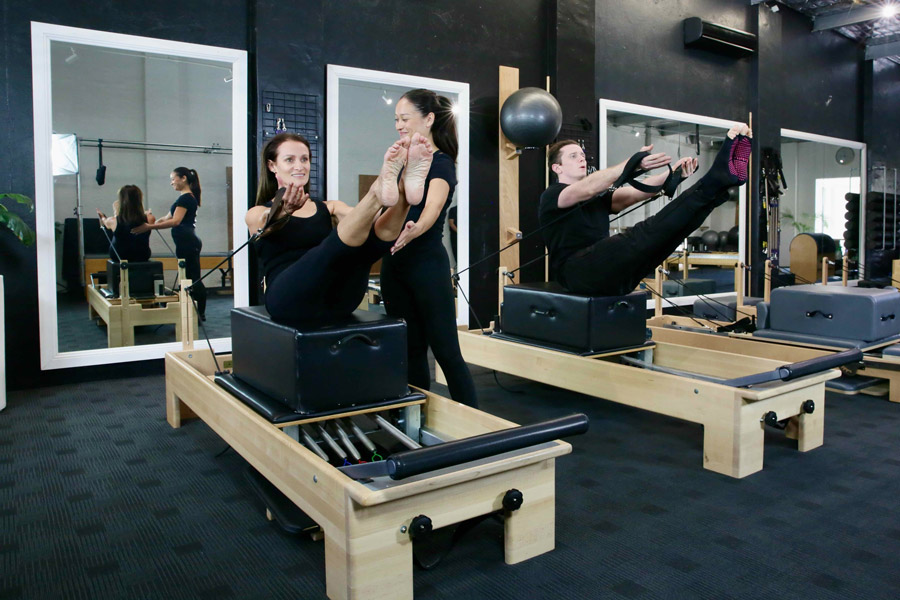
The modern lifestyle often leads to poor posture, chronic stress, and limited movement. Zero Gravity Pilates addresses these issues by offering a workout that is both effective and restorative. People are drawn to it because it:
- Feels enjoyable rather than exhausting
- Delivers visible results without excessive strain
- Supports long-term joint and spinal health
- Combines fitness with relaxation and mindfulness
As more people seek sustainable, holistic fitness solutions, Zero Gravity Pilates continues to stand out.
Incorporating Zero Gravity Pilates Into Your Fitness Routine
For best results, Zero Gravity Pilates can be practiced 2–4 times per week. It pairs well with:
- Strength training for muscle balance
- Yoga for flexibility and mindfulness
- Cardio activities for cardiovascular health
Because it is low-impact, it can also be used on recovery days to keep the body active without overloading it.
The Future of Pilates and Weightless Training
Zero Gravity Pilates represents the future of mindful movement. By reducing strain while increasing effectiveness, it bridges the gap between rehabilitation, fitness, and wellness. As technology and movement science evolve, weightless and suspension-based training methods are expected to become an integral part of modern exercise programs.
Conclusion
Zero Gravity Pilates is more than just a workout—it’s a transformative movement experience. By combining the principles of Pilates with the freedom of suspension, it delivers exceptional benefits for the body and mind. Whether your goal is strength, flexibility, pain relief, or stress reduction, Zero Gravity Pilates offers a safe, effective, and deeply rewarding path to better health.